
Nepal Plans Strategic Measures amidst Middle East CrisisThursday, April 9th, 2026
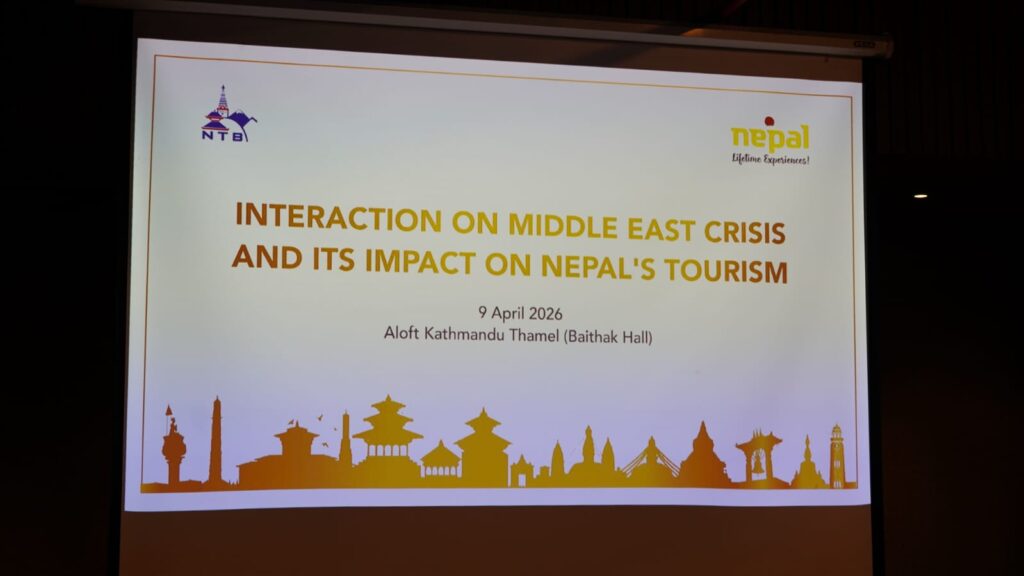
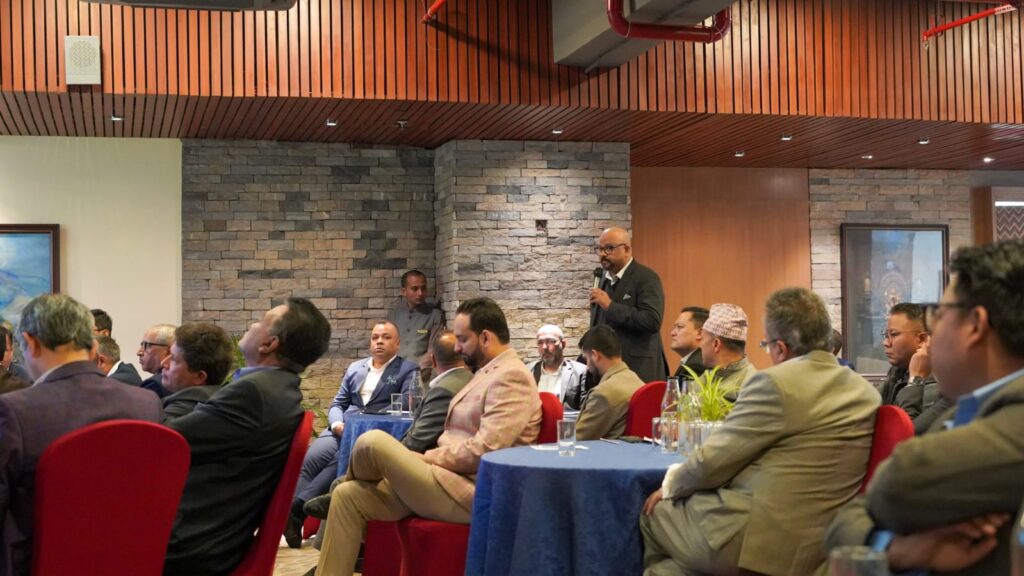
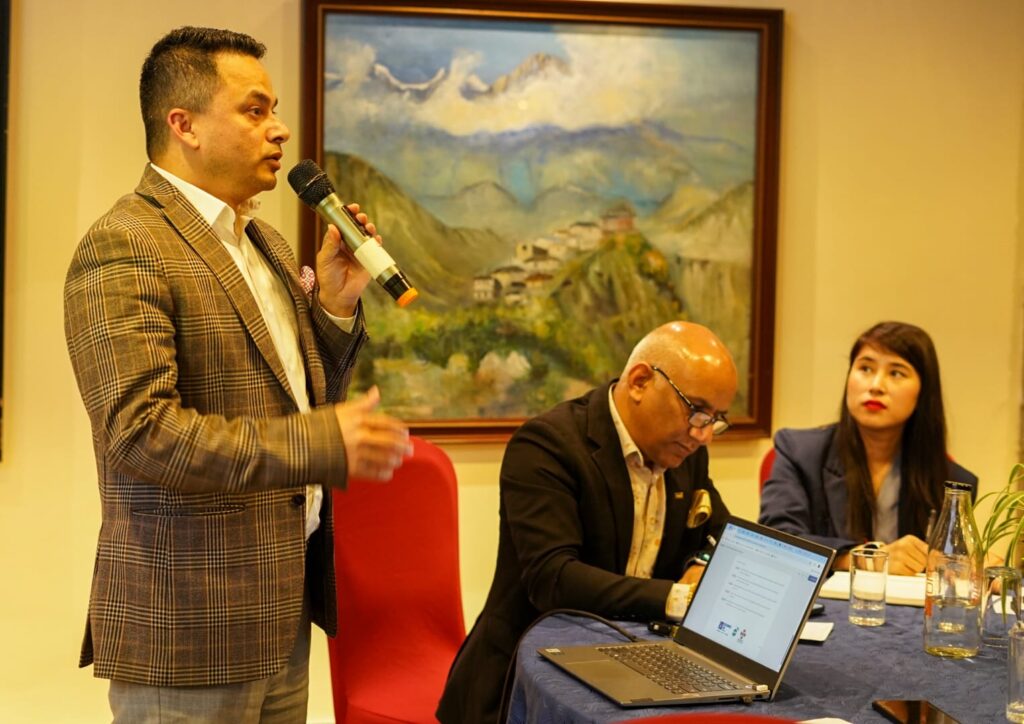
Kathmandu, April 9, 2026 — Nepal Tourism Board (NTB) organized an interaction program titled “Middle East Crisis and its Impact on Nepal’s Tourism” today at Aloft Kathmandu Thamel.
The program brought together key stakeholders, including government representatives, tourism industry leaders, international airlines operating in Nepal, travel trade associations, and experts, to discuss emerging challenges posed by the ongoing crisis in the Middle East and its implications for Nepal’s tourism sector.
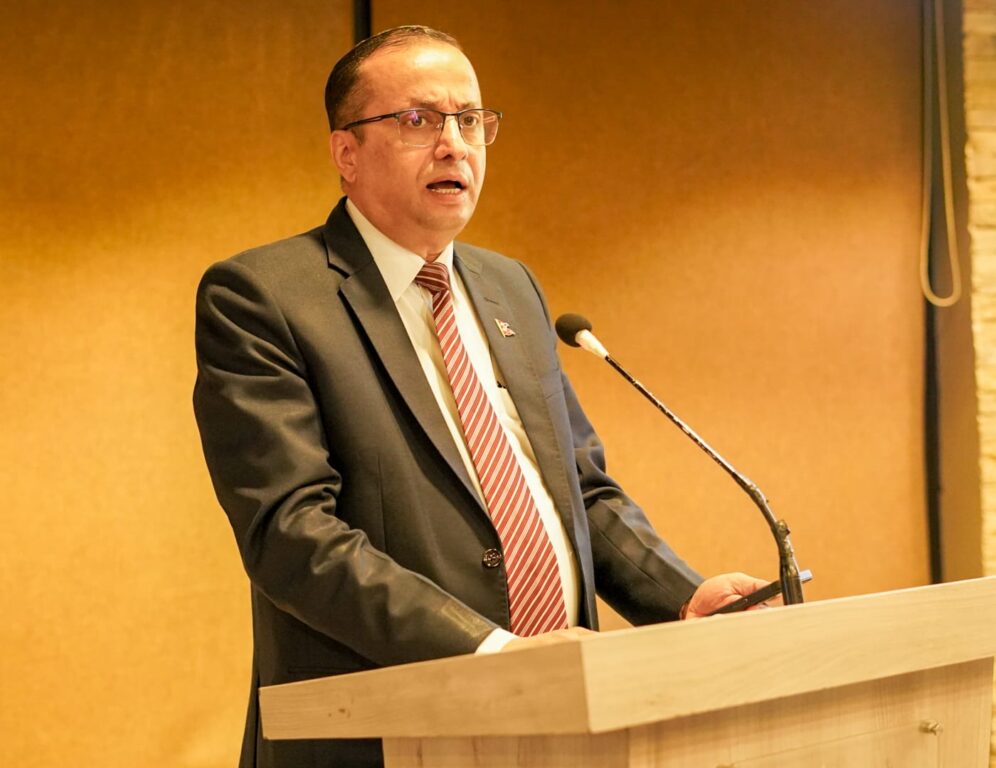
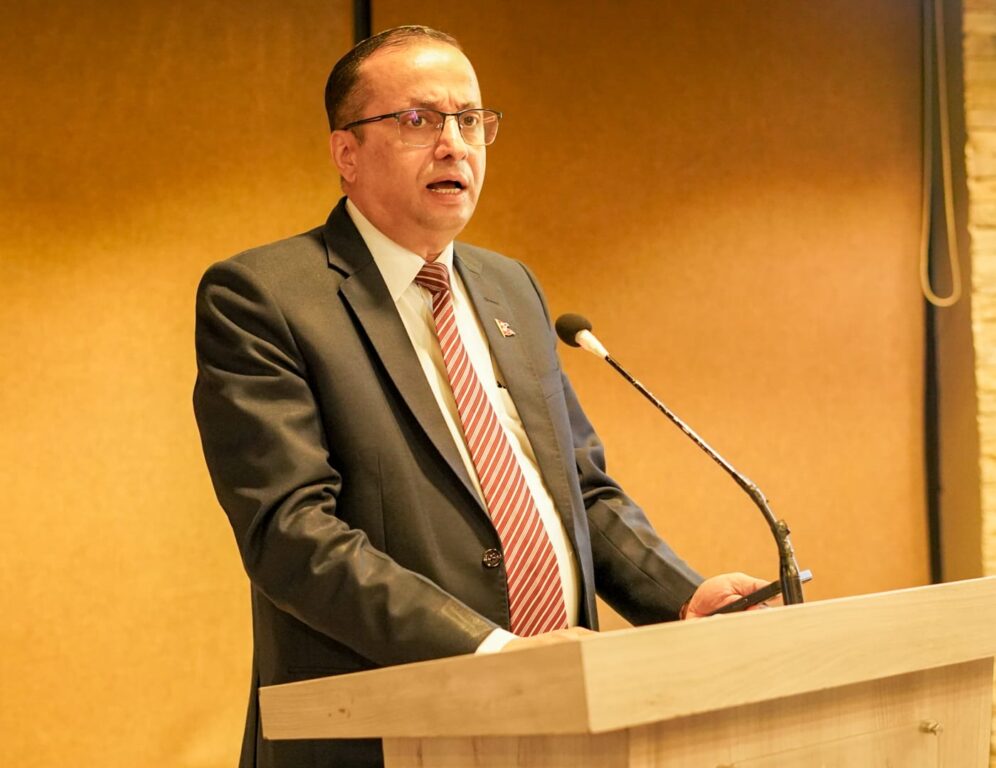
Mr. Mukunda Prasad Niraula, NTB Executive Committee Chairman and Secretary of the Ministry of Culture, Tourism and Civil Aviation, emphasized that the Middle East is a major hub for Nepal’s tourism source market and a gateway for European and American tourists. He underscored opportunities to diversify routes and assured that the Government of Nepal is committed to mitigating the challenges. He also noted that a special taskforce has been established to map out the way forward.
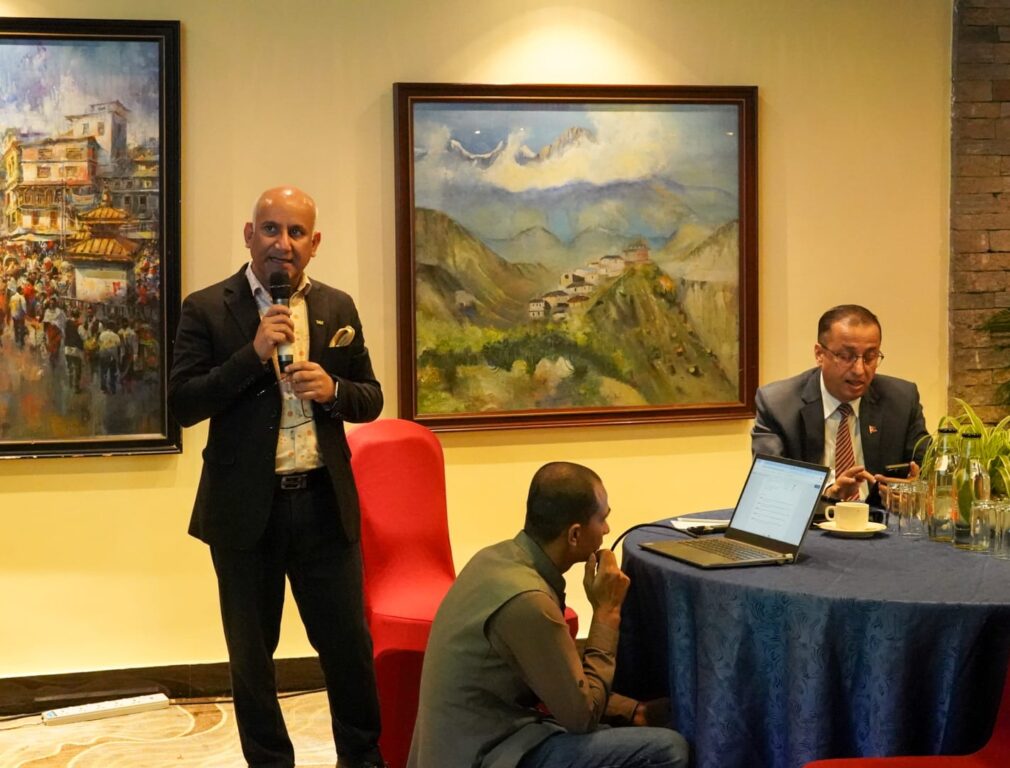
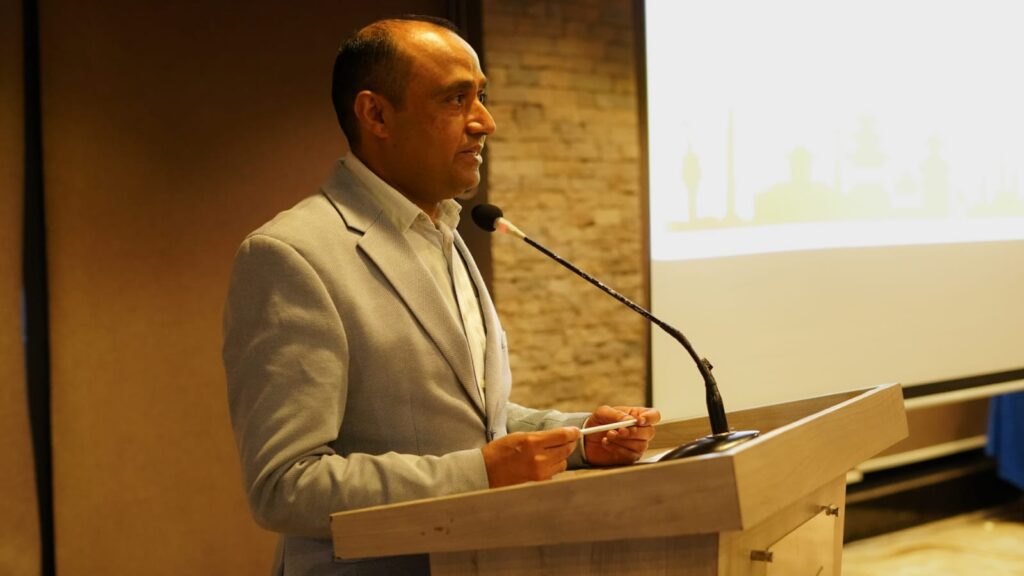
The NTB CEO presented the global context of the crisis, illustrating its direct impact on Nepal’s tourism through current data analytics. Mr. Ram Prasad Sapkota, Vice Chairman of NTB Executive Committee, highlighted exploring alternative routes and subsidy plans for cancelled bookings and rising airfares.
Airline representatives confirmed that they remain operational despite the crisis and are committed to supporting tourism, recommending alternative markets, simplified visa procedures, and communication to global travelers on wellness and sustainability practices in Nepal.

Joint Secretary of the Ministry of Foreign Affairs, Mr. Ram Kaji Khadka, stressed that the government is proactively preparing to mitigate potential damages. He highlighted inter-ministerial coordination with diplomatic missions to explore alternative routes and emphasized leveraging India and China as tourism source markets for economic diplomacy.
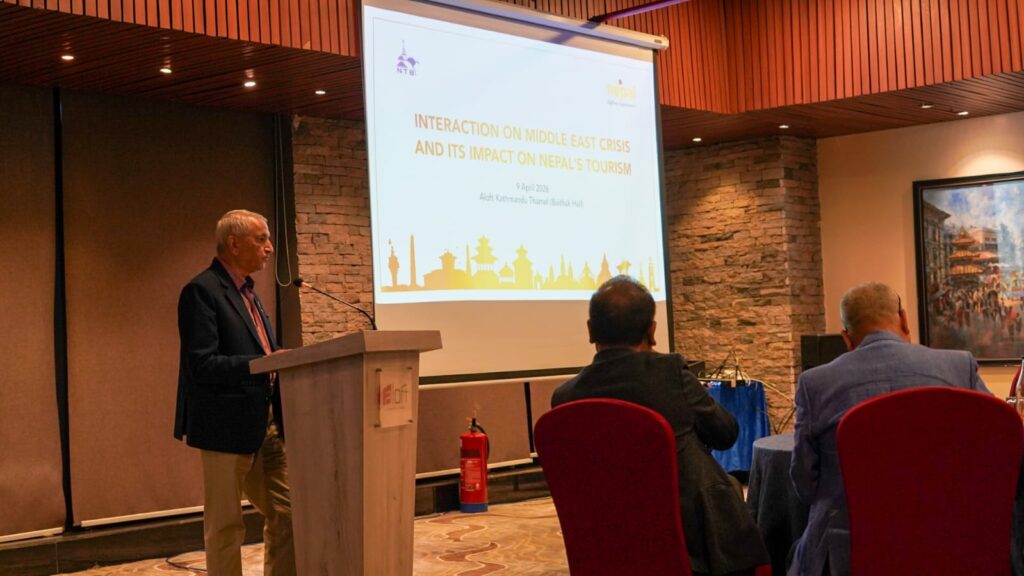
NTB Executive Committee Members, including Mr. Narendra Deo Bhatta, Mr. Kumar Mani Thapaliya, and Mr. Rishi Ram Bhandari, discussed alternative air connectivity options, such as KTM–Australia, KTM–Hong Kong, and strengthening existing routes like KTM–Narita, to enhance aviation capacity and attract tourists from India and China.
Tourism industry leaders, including Mr. Sagar Pandey (TAAN), Mr. Binayak Shah (HAN), and Mr. Bishwesh Shrestha (NATO), highlighted booking cancellations from European markets, urged fuel concessions, stronger government-private sector collaboration, and diversification toward India and China. They stressed preparedness for long-term impacts and the importance of targeted incentives.
Mr. Santusta Kumar Basnet, Director of Operations at Tribhuvan International Airport, noted that the Air Operations Crisis Committee (AOCC) has been formed to manage limited parking and landing capacity amid the crisis.
Mr. Raj Gyawali emphasized that timely and strategic communication is critical during a crisis, recommending hiring communication experts to disseminate accurate information and maintain Nepal’s image as a safe destination.

Key Measures and Strategic Responses Discussed:
- Diversification of Air Connectivity: Promoting alternative transit routes via Istanbul, Bangkok, Singapore, Delhi, and Colombo.
- Market Diversification: Strengthening tourism promotion in emerging markets, particularly South Asia and Southeast Asia.
- Proactive Communication: Disseminating timely and accurate information to reinforce Nepal’s image as a safe destination.
- Flexible Travel Arrangements: Encouraging adaptable booking policies and revised itineraries.
- Crisis Response Coordination: Enhancing collaboration between government, airlines, and private sector stakeholders.
- Targeted Promotion Campaigns: Positioning Nepal as a safe and attractive alternative destination.
The interaction highlighted that the crisis has disrupted international travel flows, particularly affecting Nepal due to its dependence on major transit hubs such as Dubai, Doha, and Abu Dhabi. Participants noted increasing flight rerouting, rising airfares, and booking cancellations during the peak spring tourism season, creating uncertainty across the tourism value chain.
NTB reaffirmed its commitment to engaging stakeholders, facilitating meaningful discussions, and promoting Nepal as a safe and resilient tourism destination despite external uncertainties. The program concluded with a shared understanding of the need for collective action and strategic planning to safeguard and revitalize Nepal’s tourism sector.











Download
Photos / Maps / Brochure ...- • CustomGallery
- • Visa Recommendation
- • Protocol
- • NTB bylaws and procedure
- • Enlistment Files
- • Forms
- • Curriculum & References
- • Booklets / Brochures
- • Logo
- • Map
- • Mountaineering in Nepal
- • Multimedia
- • Nepal Tourism Statistics
- • NTB Budget
- • Mountains
- • Adventure Activities
- • Culture
- • Flora
- • Lake
- • sightseeing
- • Wildlife