
Israeli Blind Woman, 71, Finds ‘Therapy’ in Nepal’s Nature During ABC TrekWednesday, September 23rd, 2026
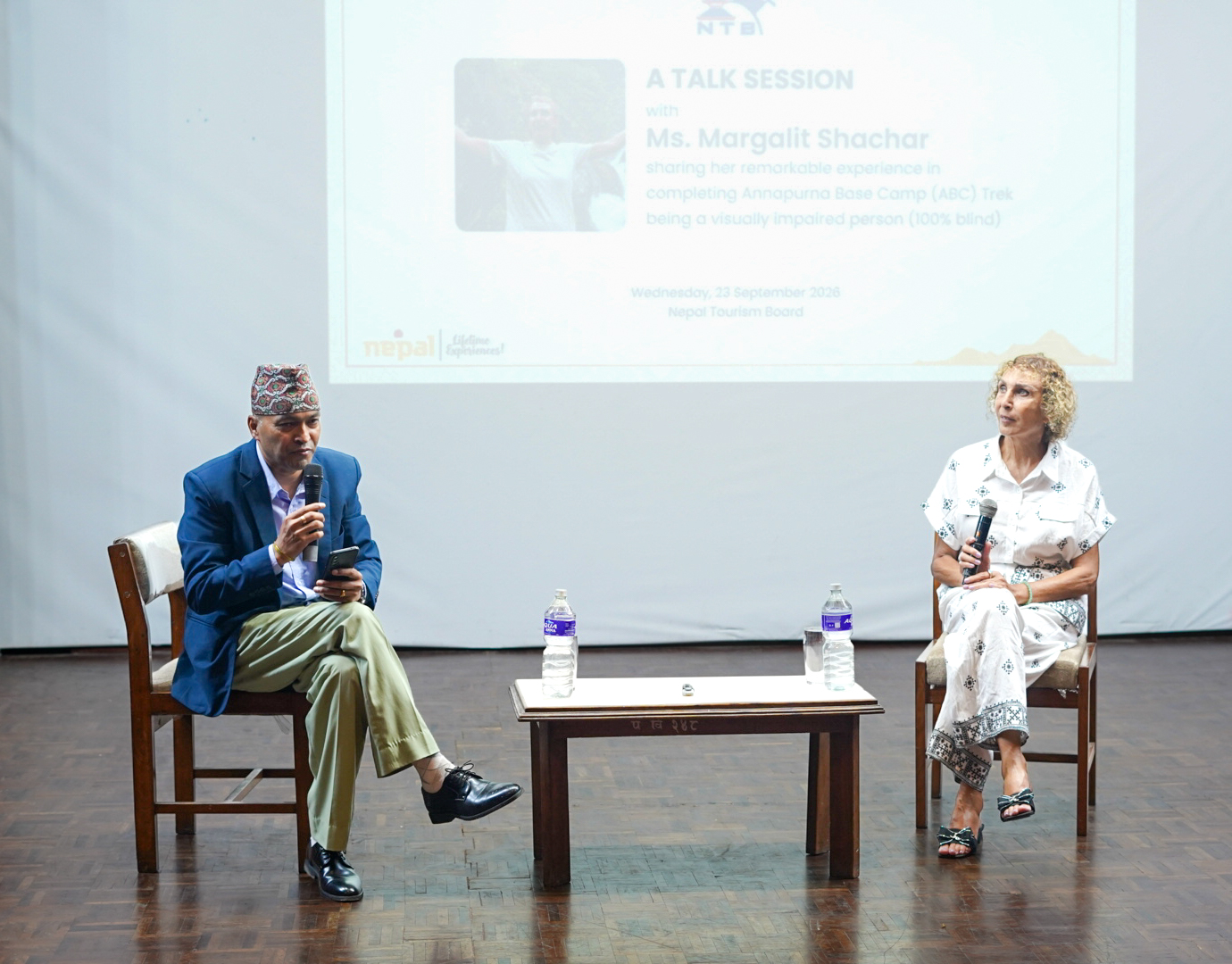
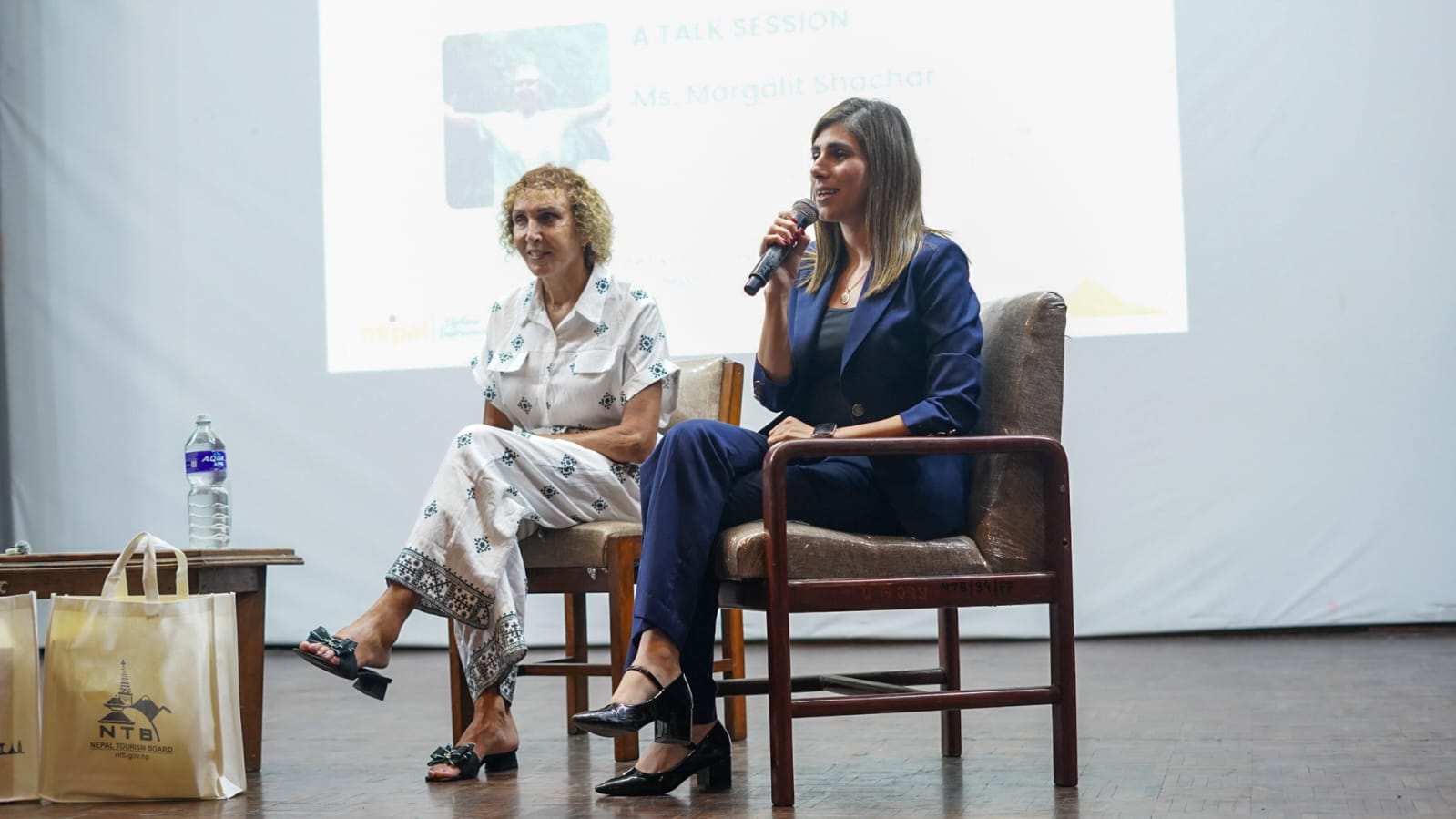
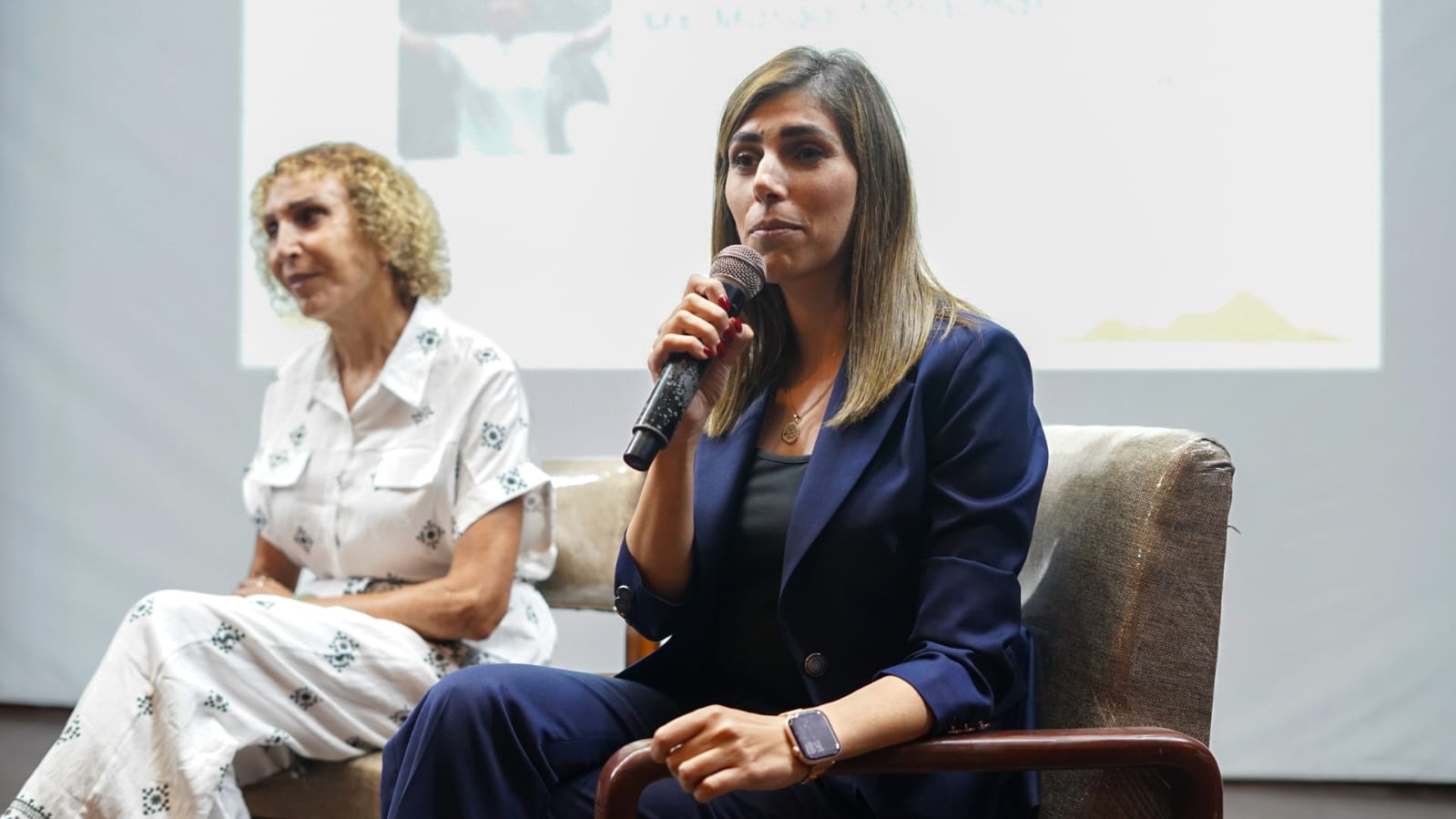
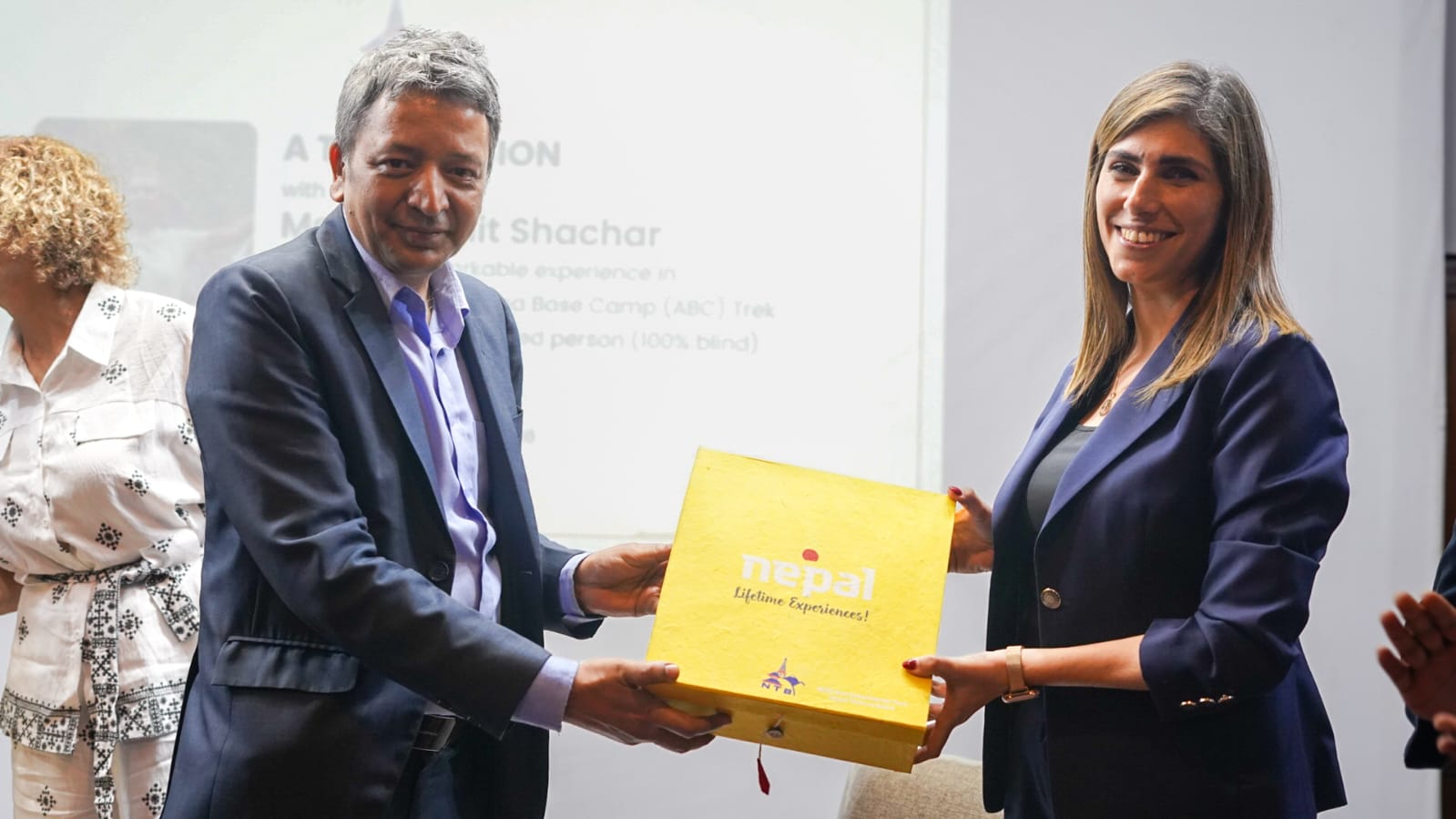
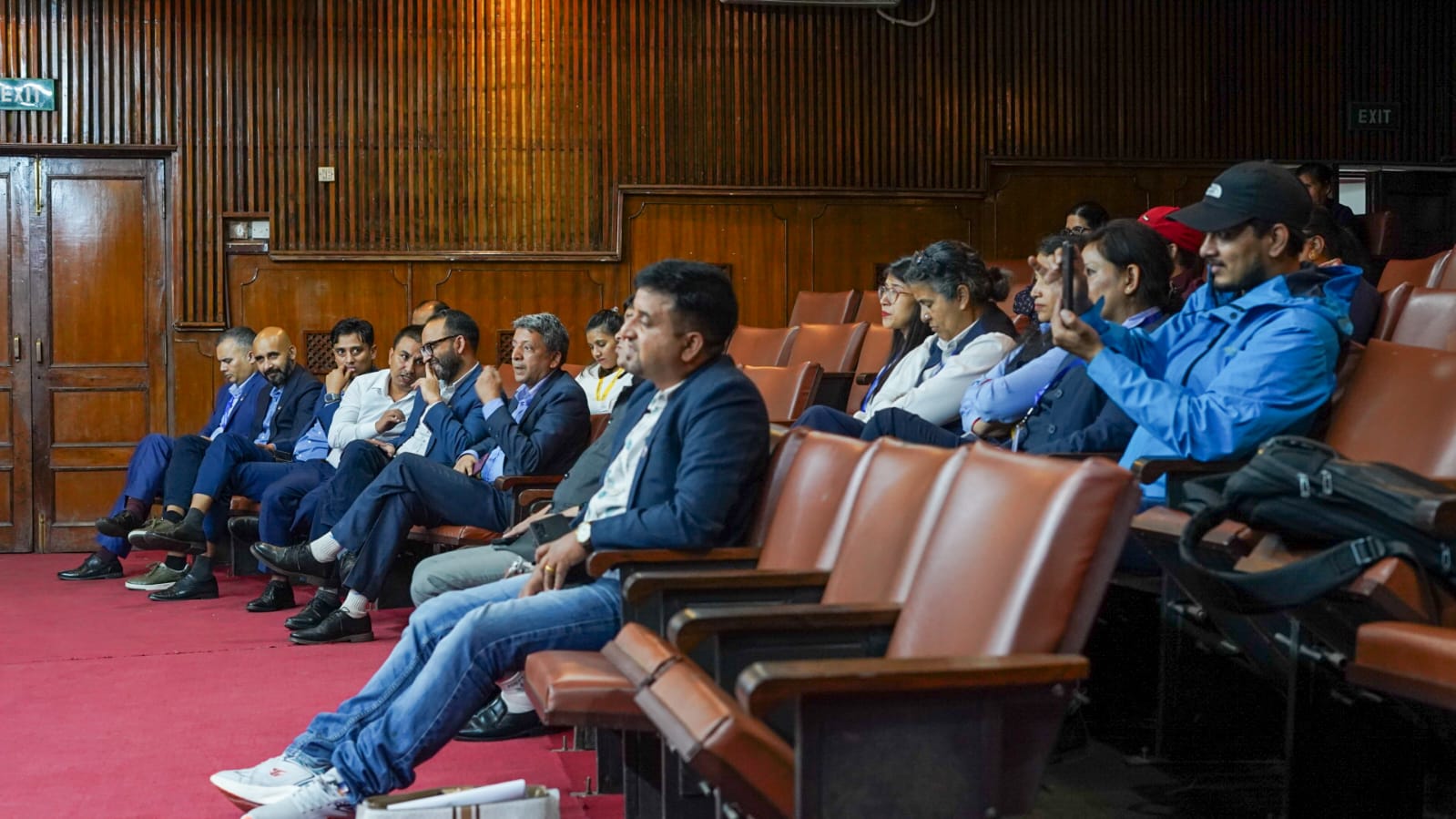
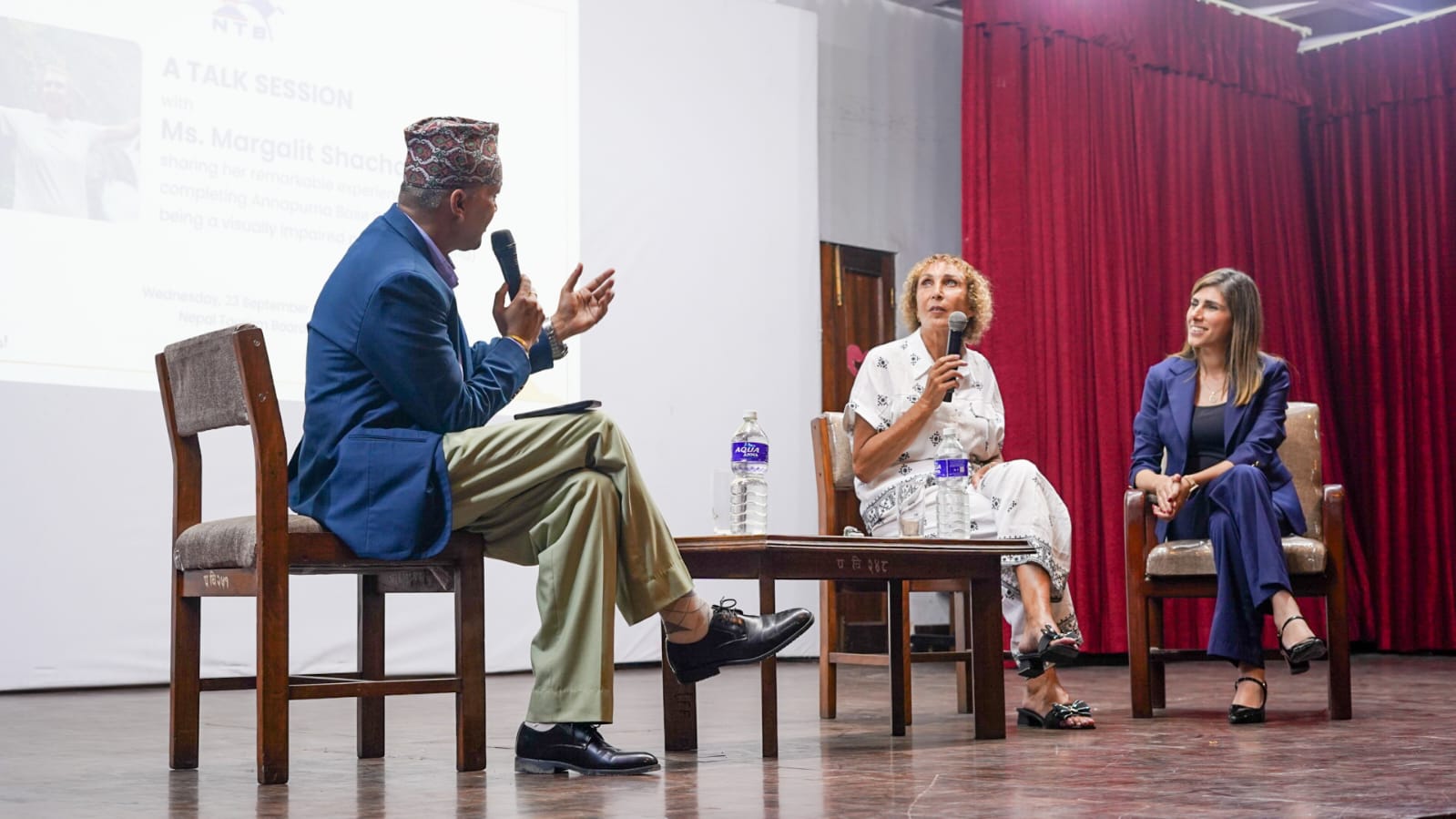
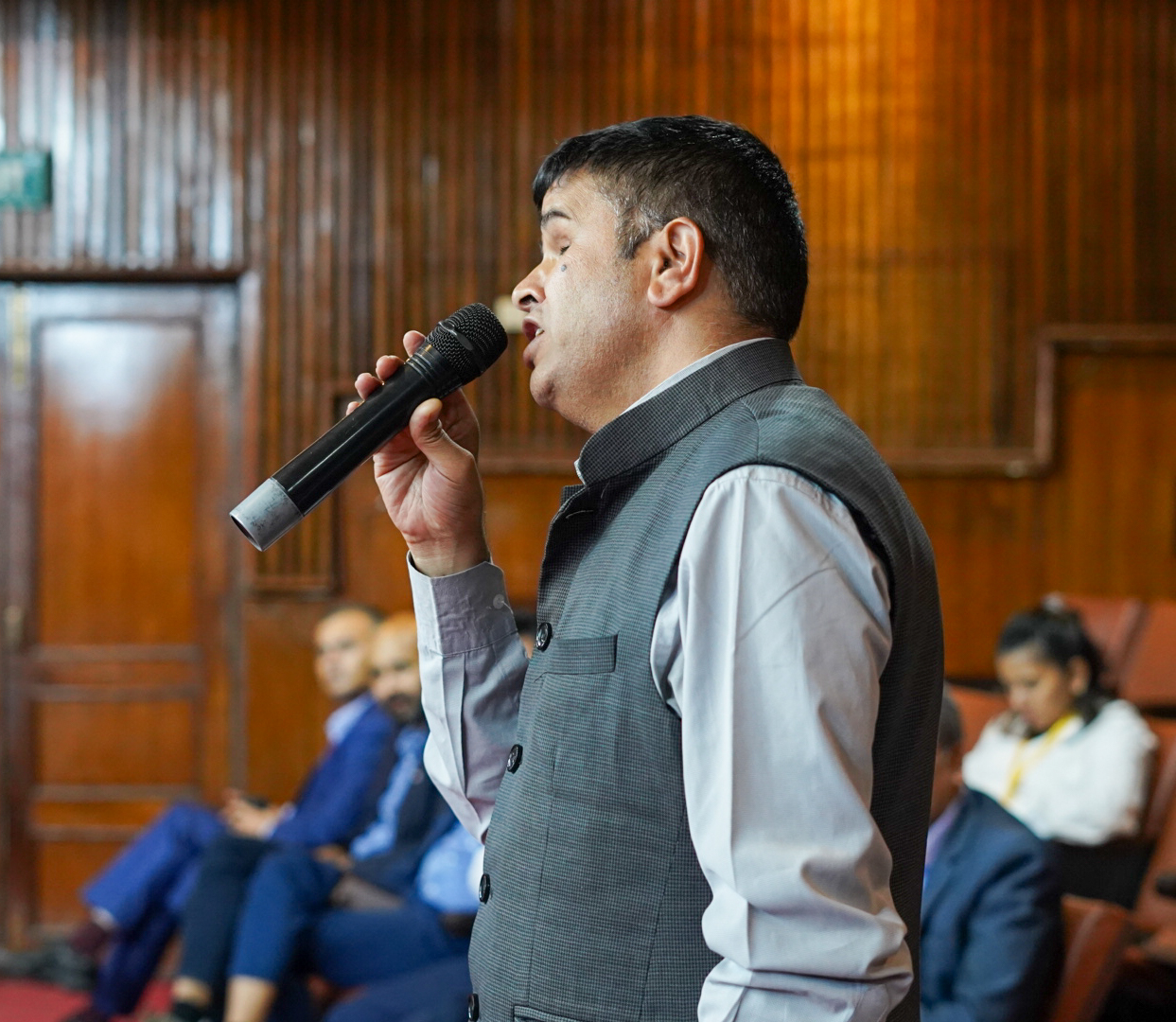
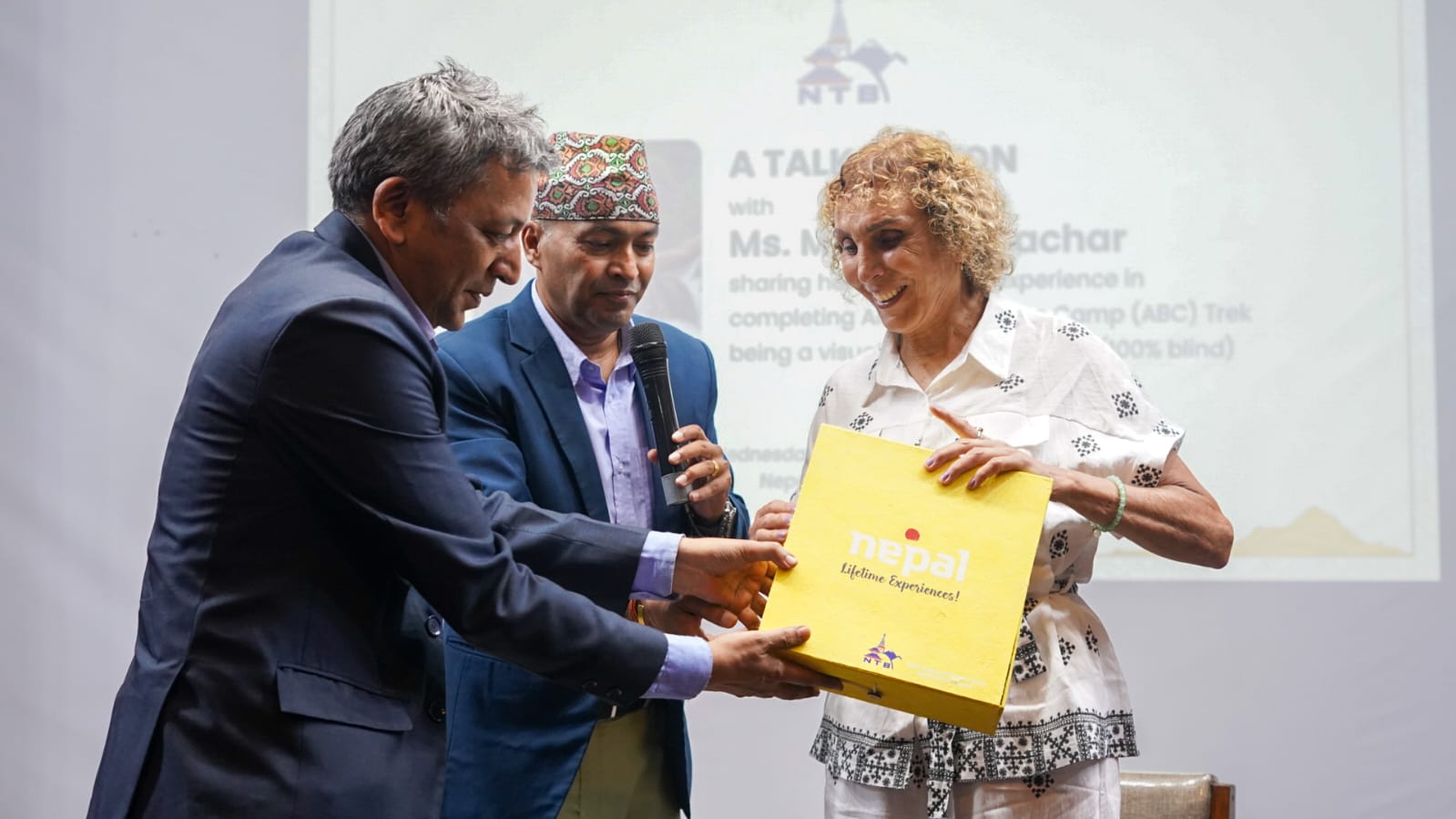
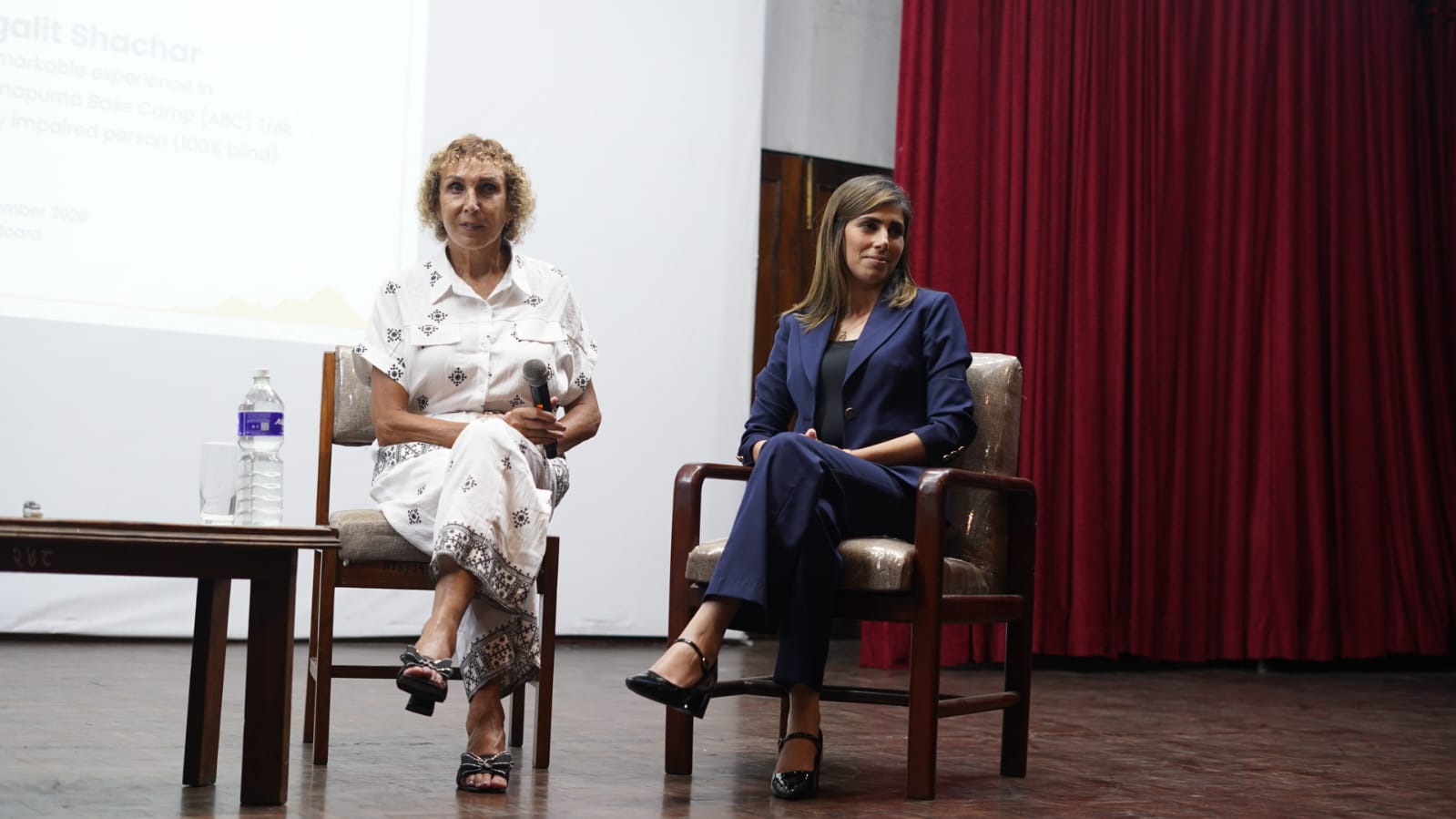
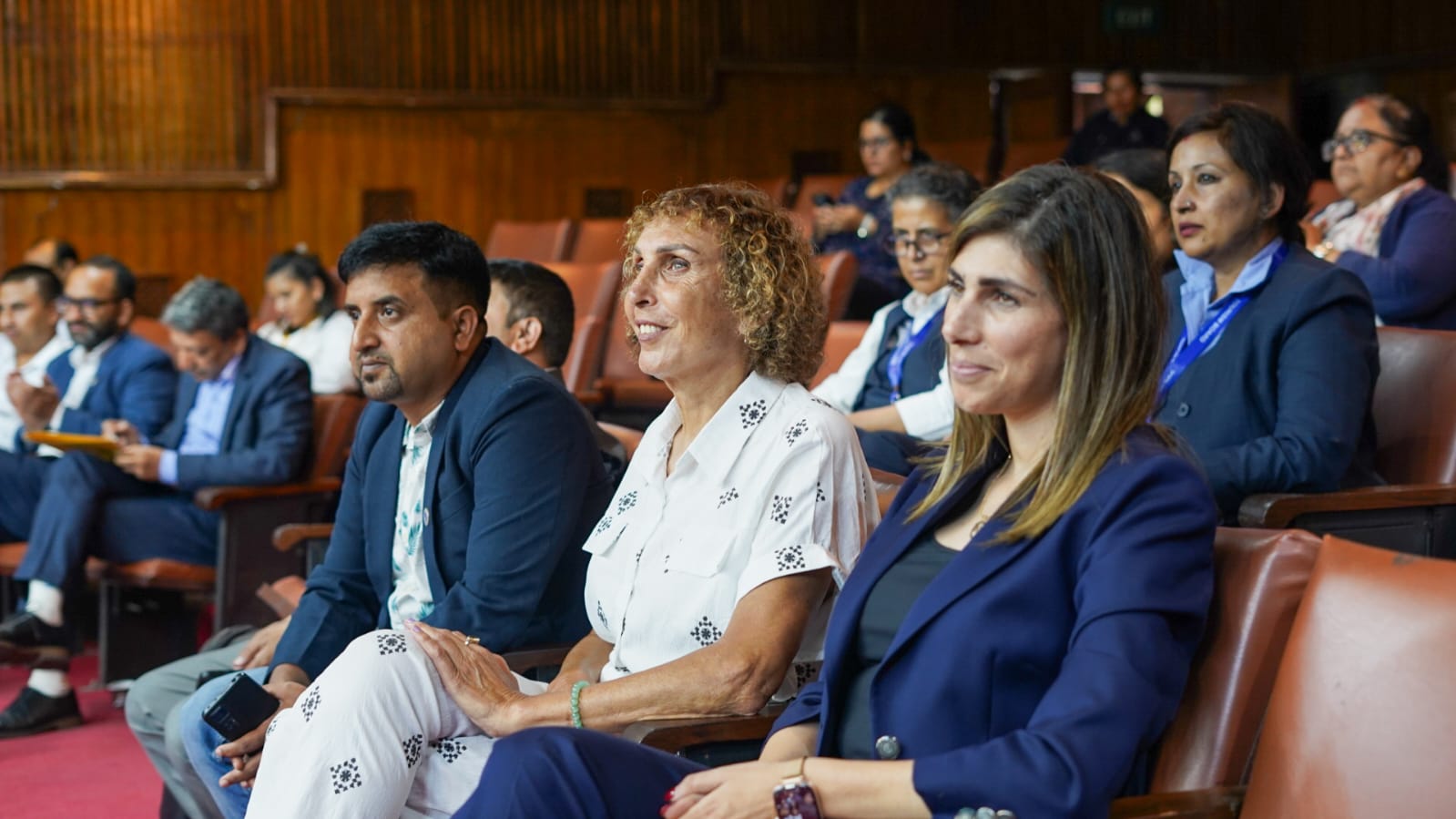
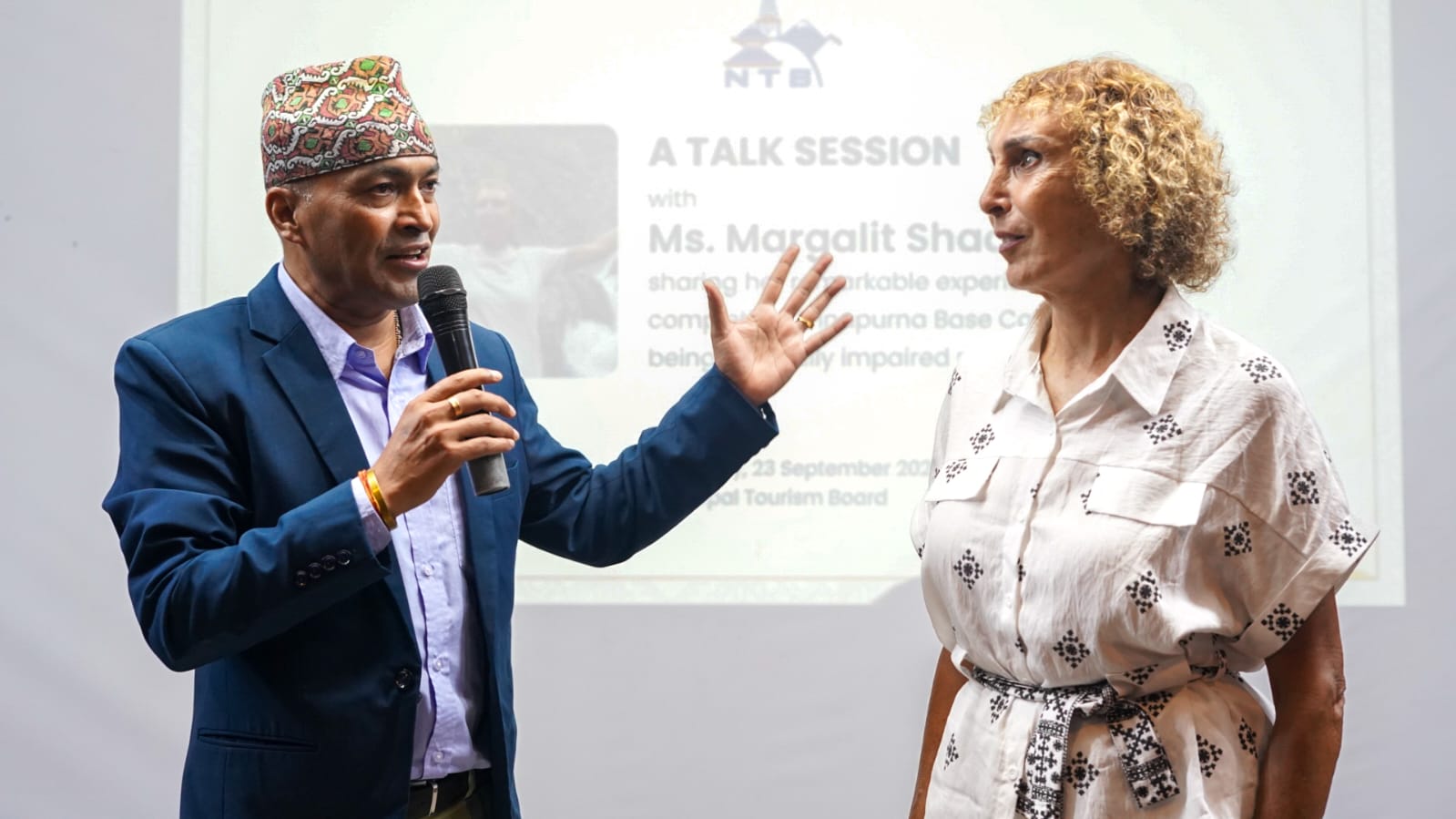
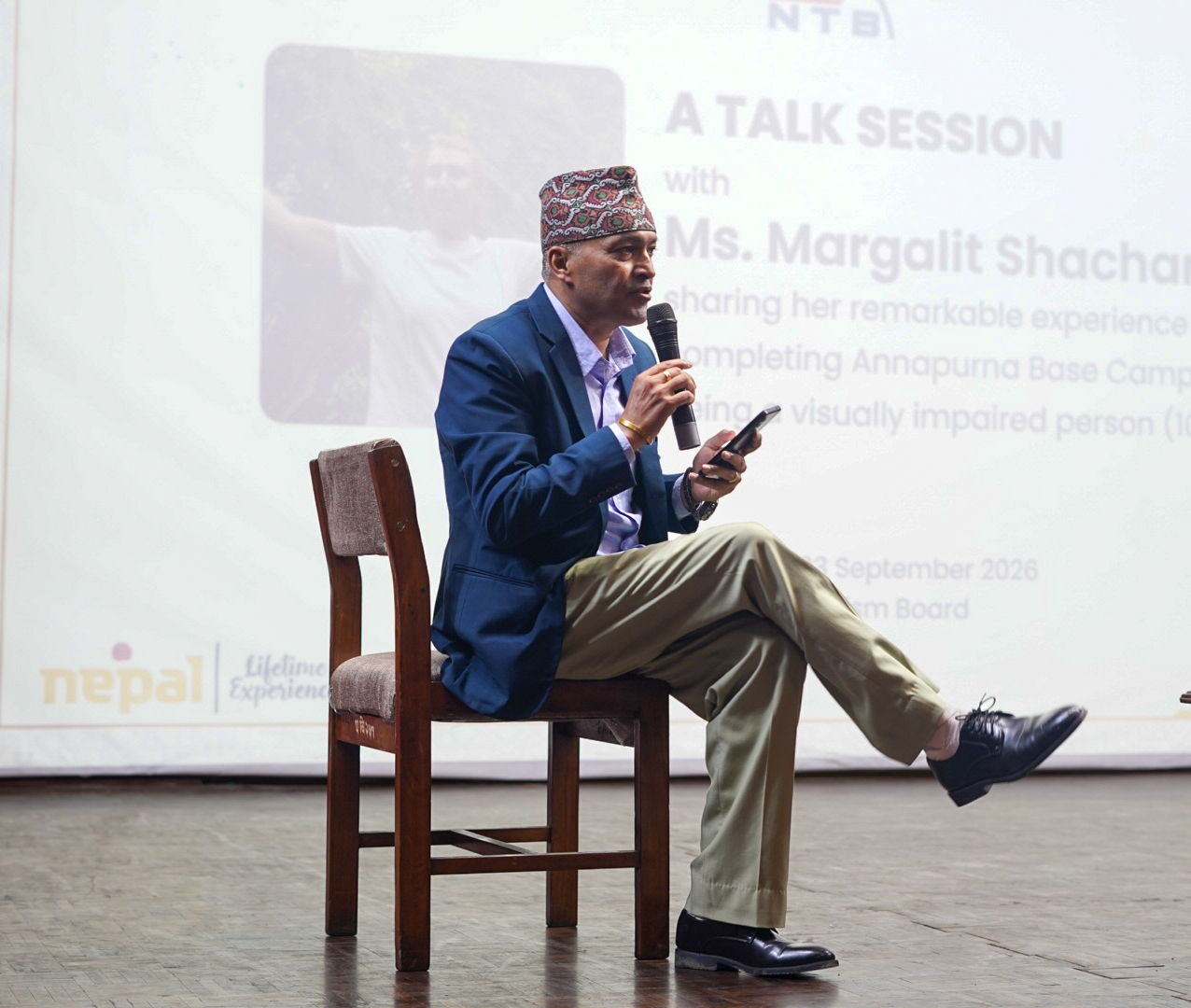
Kathmandu: Margalit Shachar, a 71-year-old Israeli who is completely blind, has described her trekking experiences in Nepal as more than an adventure, saying the country’s natural environment has become a source of healing and therapy for her. Speaking at a Talk Session organized at the Nepal Tourism Board on Wednesday, Shachar shared her experiences of trekking in the Annapurna region and said Nepal offered a unique opportunity to reconnect with nature through sound, touch, smell and other senses. The session was coordinated by NTB Senior Manager Surya Thapaliya.
“Trekking in Nepal has been more than an adventure for me. It has become a healing experience and a kind of therapy,” Shachar said. A psychological therapist who has worked for a long time with the Israeli military and in the Gaza region, Shachar celebrated her 70th birthday last year by completing the Annapurna Circuit. She returned to Nepal this year to undertake the Annapurna Base Camp (ABC) trek.
“Turning 70 is a special milestone. For me, celebrating a birthday through trekking is like celebrating life itself,” she said, recalling her Annapurna experiences. “I completed the Annapurna Circuit last year and this time I trekked to Annapurna Base Camp. Some parts of the journey were challenging and risky, but I enjoyed the experience immensely.”
For Shachar, however, the most remarkable aspect of the journey was not what she could see, but what she could experience through her other senses. “The sound of the river, the smell of bamboo, the touch of the wind and the sounds of nature gave me a wonderful feeling,” she said, “I did not find the Annapurna trek as difficult as I had imagined. I convinced myself to keep going slowly, one step at a time.”
She said being blind did not necessarily make her perceive the journey as more difficult. “Because I cannot see the trail ahead, I do not anticipate how difficult the road might be. I also do not feel the passage of time in the same way. That made the journey easier for me,” she said.
Shachar said trekking in Nepal had helped her feel lighter and more positive. “Trekking in Nepal was a very good therapy for me. It made me feel better and lighter,” she said. She also praised the warmth and hospitality of Nepali people, saying their support made her feel exceptionally comfortable throughout her journey. “People in Nepal are very supportive and kind. During the trek, I felt like a queen,” she said, adding that she particularly enjoyed Nepal’s culture, food and guesthouses.
Shachar is already planning her next visit to Nepal. She said she hopes to return next year to celebrate her daughter’s 50th birthday and undertake the Langtang trek. Her message to others, particularly people with disabilities, was simple: “Live your life as fully as you can.” Encouraging people to visit Nepal, she said the country’s natural environment could provide a powerful source of positive energy and healing
.
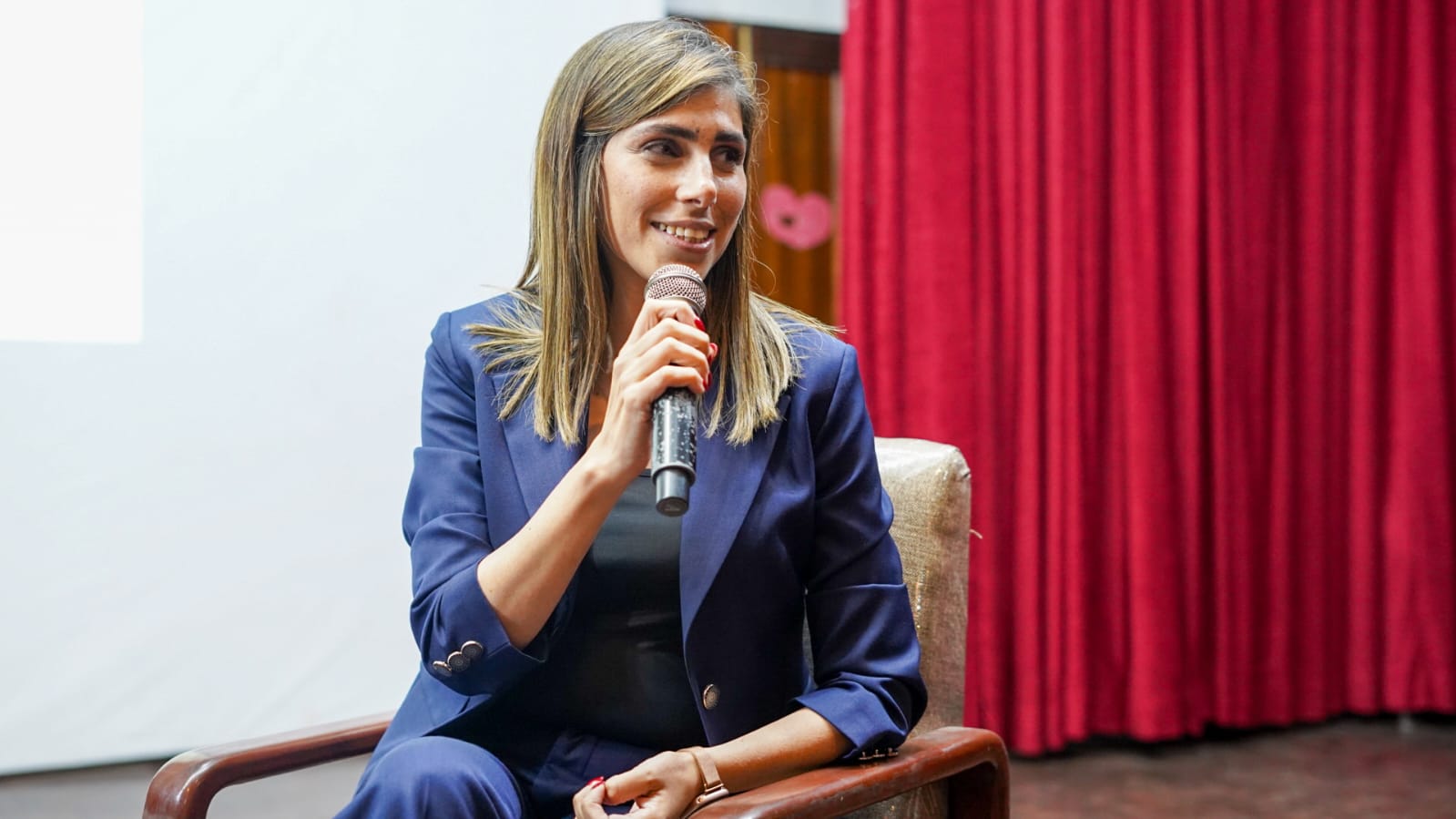
At the program, Chargé d’affaires of the Embassy of Israel in Nepal, Janan Mishleb-Bebar, described Shachar’s experience as inspiring and said it demonstrated that nature could be experienced beyond sight. “Nature is not something that can only be seen; it can also be felt and experienced,” she said.
She added that Shachar’s journey could encourage visually impaired and other persons with disabilities to explore destinations that might initially appear challenging. “If Shachar can do it, other visually impaired people can also have such experiences. With appropriate support and confidence, Nepal’s trekking destinations can offer meaningful experiences to everyone,” she said. The experience, she added, highlighted the potential for more inclusive and accessible adventure tourism in Nepal, where travel can become not only an opportunity for exploration but also a means of experiencing life in a new way.
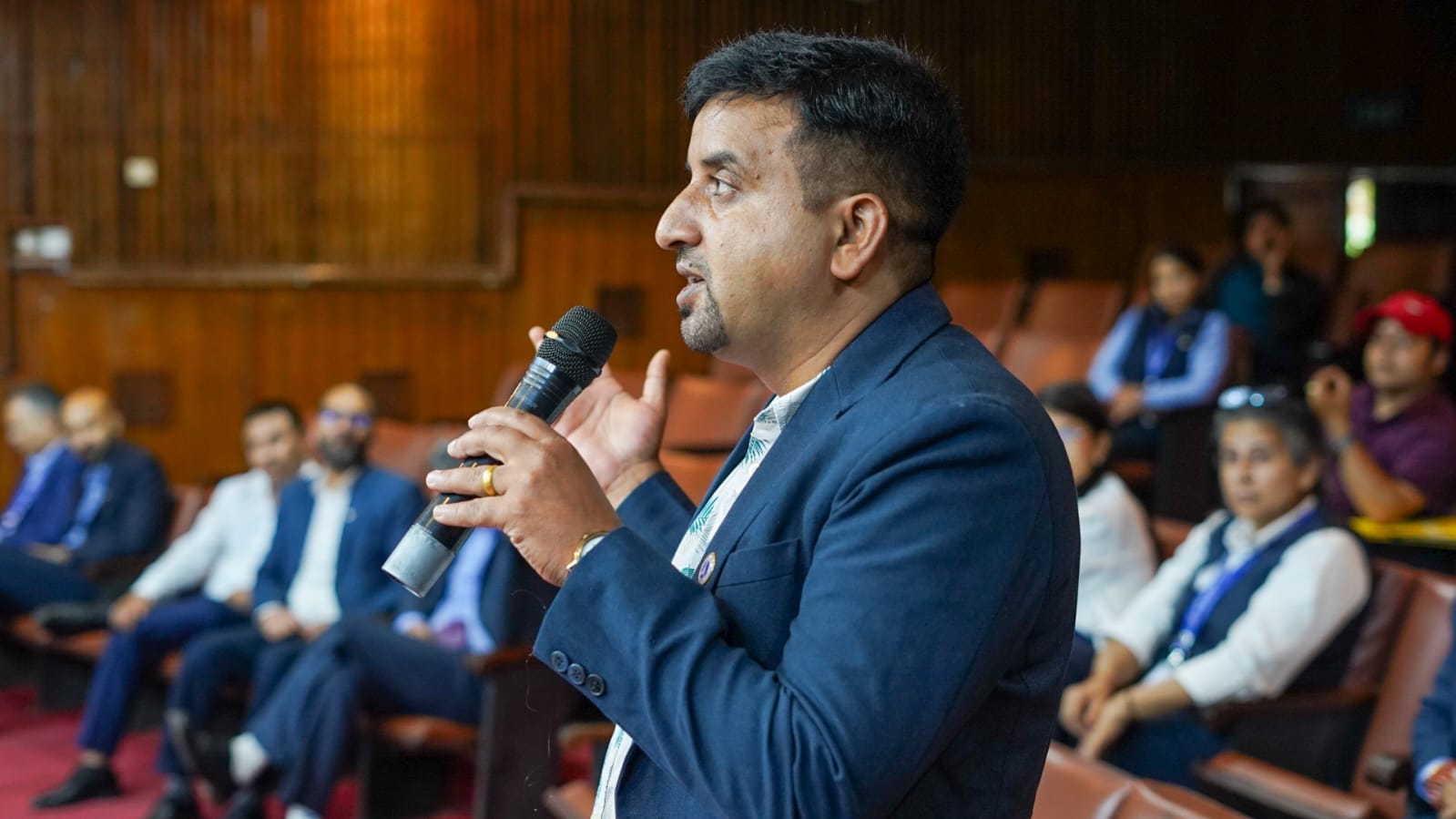
Khom Raj Sharma, Inclusive Advisor at the Nepal Association of the Blind, said Shachar’s journey offered an important message about the possibilities available to persons with disabilities. “Visually impaired people certainly require additional care and support, but disability should not be seen as the end of possibility. There is possibility within every disability,” Sharma said. He noted that nature could be experienced through touch, sound and other senses, not only through sight.
Trekking guide Shiva Prasad Adhikari, who has been working in the sector since 2003, said trekking with visually impaired travelers could be challenging but becomes manageable with proper training, mutual understanding and support. Adhikari said he had been guiding groups of Israeli visitors in Nepal since 2014 and had observed visually impaired travelers taking part in different forms of adventure activities. He stressed the need for greater government attention to accessible tourism infrastructure and support systems for persons with disabilities.
Shachar’s Annapurna experience has thus offered a different perspective on Nepal’s trekking tourism, one in which the mountains are not defined only by what travelers see, but also by what they hear, touch, smell and feel, turning the journey itself into an experience of healing.
Download
Photos / Maps / Brochure ...- • CustomGallery
- • Visa Recommendation
- • Protocol
- • NTB bylaws and procedure
- • Enlistment Files
- • Forms
- • Curriculum & References
- • Booklets / Brochures
- • Logo
- • Map
- • Mountaineering in Nepal
- • Multimedia
- • Nepal Tourism Statistics
- • NTB Budget
- • Mountains
- • Adventure Activities
- • Culture
- • Flora
- • Lake
- • sightseeing
- • Wildlife